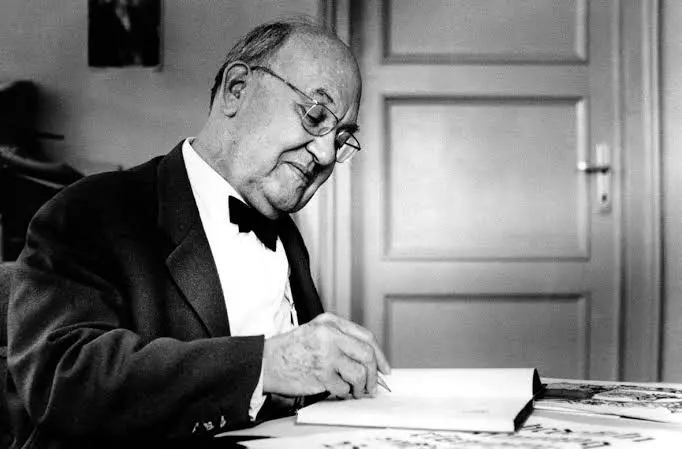
JAN TSCHICHOLD 1902-1974
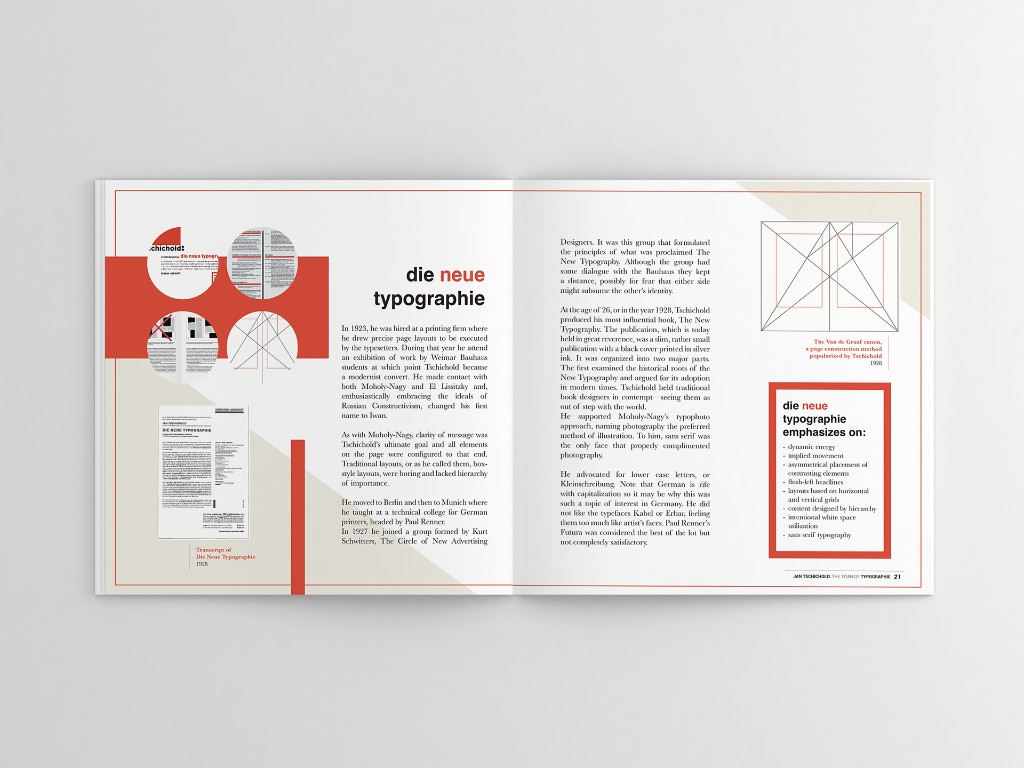
Jan Tschichold was a German-born typographer and book designer whose work helped define modern graphic design in the early 20th century. Through his seminal book The New Typography, Tschichold championed clarity, structure, and functional communication, rejecting decorative excess in favor of disciplined layouts, strong hierarchy, and intentional use of space. Team 1538 applies these principles throughout its brand system by relying on grid-based layouts, asymmetric compositions, and clean sans-serif typography to communicate information clearly and efficiently. From publications and signage to robot graphics and digital layouts, the team's visual language prioritizes readability, consistency, and order—ensuring that every design decision supports the message rather than competing with it. In this way, Tschichold's philosophy reinforces Team 1538's identity as precise, intentional, and engineering-driven, where design serves purpose above all else.
"A method to produce the perfect book"
— Jan Tschichold
Grid Systems
Jan Tschichold was one of the first designers to use a grid to organize pages and spreads. Designers use grid systems to organize text, graphics, images and other design elements on a page. Grids can be used to organize elements on a page, other elements or itself.
From a communication standpoint, grids can also be used to achieve coherency in the page's layout. This allows the viewer to better absorb and comprehend the information being presented.
Sans-Serif Fonts
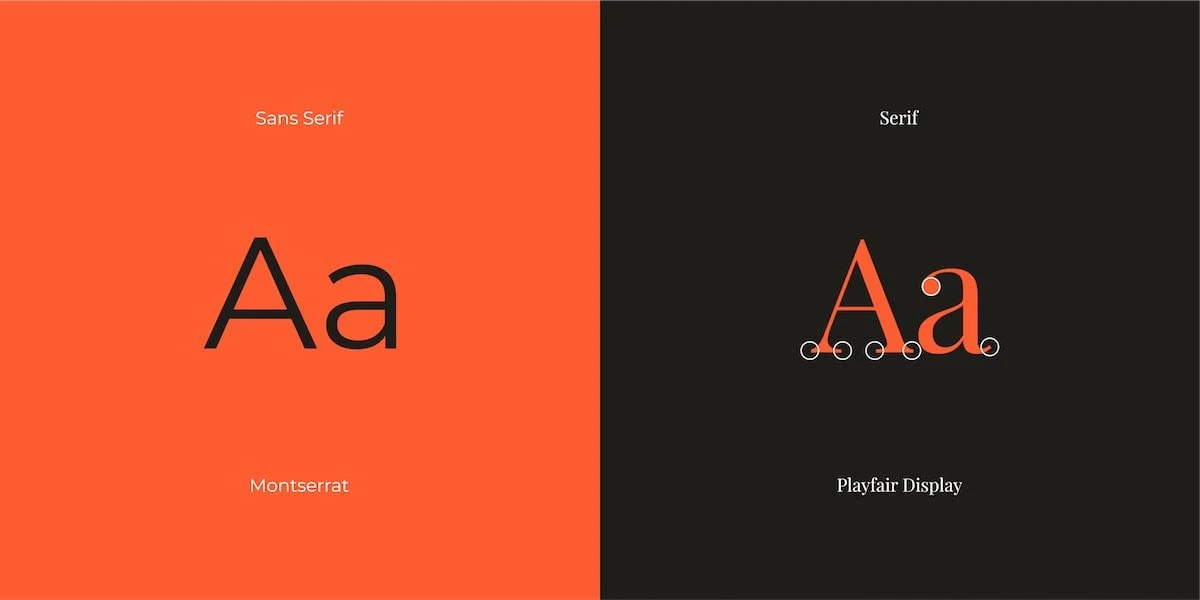
Serifs are small projecting features found on the ends of glyphs. A sans-serif font is a font without serifs. In The New Typography Tschichold condemned all serif fonts. He advocated sans-serif typefaces for their beauty and cleanliness.
While he later admitted this was an extreme stance, the book became a manifesto for modernist design and influenced European typography for decades.
The International Style was popularized in post-war Switzerland. This design style emphasized cleanliness, readability and objectivity. Some of its key features — using a grid and sans-serif typefaces — were heavily inspired by Tschichold.